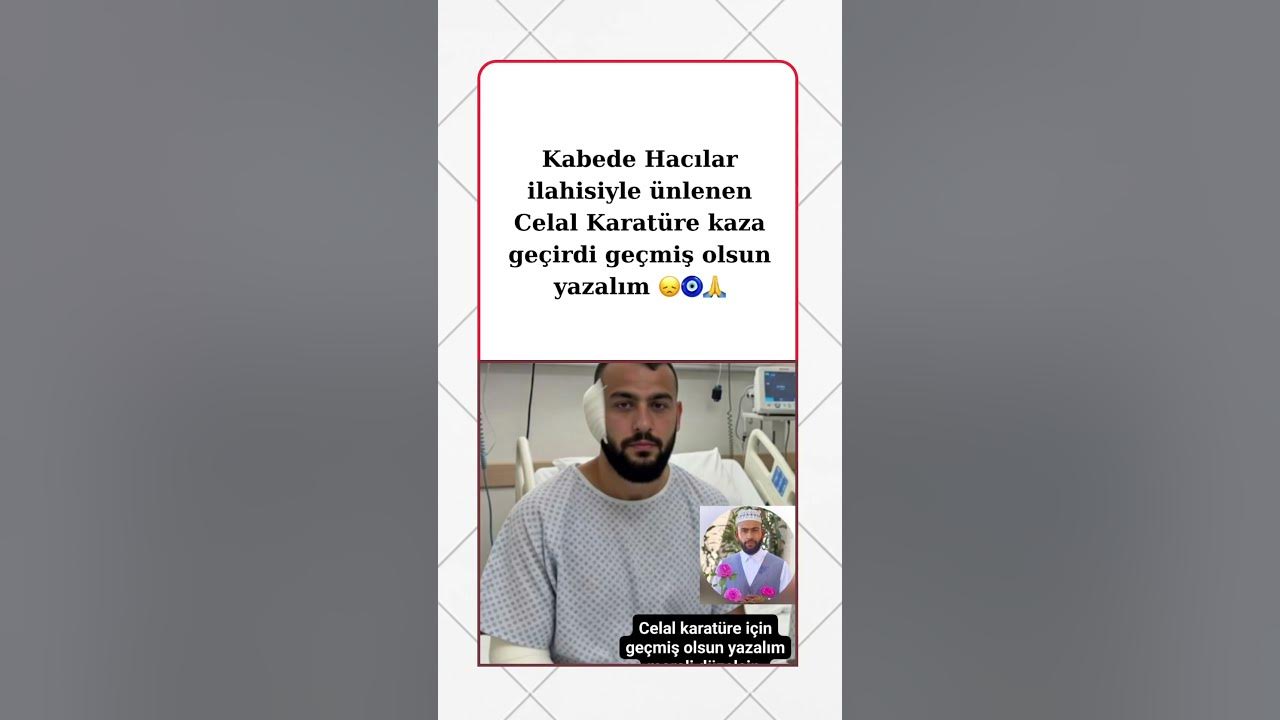
The Search for "Celal Karatüre Kaza Geçirdi": A Digital Dead End?
In the fast-paced world of digital information, news travels at lightning speed – or so we often assume. Yet, for many searching for specific details regarding an event like "
Celal Karatüre Kaza Geçirdi," the experience can be surprisingly frustrating. This phrase, translating to "Celal Karatüre had an accident" or "Celal Karatüre accident occurred" in Turkish, suggests a clear event, a person, and an outcome. However, attempts to uncover definitive news often lead to perplexing dead ends, security verification pages, or irrelevant social media prompts, rather than concrete information. This article explores why specific news, particularly concerning individuals not widely known, can be exceptionally hard to find online, using the hypothetical case of "Celal Karatüre Kaza Geçirdi" as a focal point for this pervasive digital challenge.
When users initiate a search query for "Celal Karatüre Kaza Geçirdi," their expectation is usually straightforward: recent news reports, official statements, or at least confirmed details from reputable sources. What they often encounter, however, paints a different picture. Initial search results might lead to:
- Security Verification Pages: As observed in some instances, a website might present a security check before loading content, effectively blocking immediate access to potential news. This is a common hurdle for web crawlers and human users alike, preventing direct information retrieval.
- Social Media Login Walls: Platforms like Instagram, while sometimes repositories of real-time information, often require users to log in or create an account to view content. This creates a barrier, especially when specific posts are not directly indexed or are set to private.
- Lack of Specific Articles: Beyond these access barriers, a more fundamental issue can be the absence of dedicated articles from mainstream or even local news outlets. This void is particularly noticeable for events that might not meet traditional journalistic thresholds for widespread reporting.
- Generic or Irrelevant Results: Often, search engines return results that are tangentially related or completely off-topic, further complicating the quest for specific, verified information.
This confluence of factors underscores a significant challenge in modern information retrieval: the digital landscape, despite its vastness, can be incredibly selective about what information is readily accessible and discoverable. For someone like Celal Karatüre, if they are not a public figure, the likelihood of their personal accident becoming a widely reported news story significantly diminishes, leading to the "digital dead end" phenomenon.
Navigating the Information Vacuum: Why News Can Be Elusive
The difficulty in finding information about an event like "Celal Karatüre Kaza Geçirdi" is not always a sign of faulty search engines or a conspiracy of silence. More often, it stems from a complex interplay of factors that dictate what news gets reported, indexed, and ultimately discovered online. Understanding these dynamics is crucial for anyone trying to piece together information in today's digital age.
One primary reason for an "information vacuum" is
privacy concerns. In many cultures, and under various legal frameworks, personal details about accidents, especially those not involving public figures or major public safety issues, are treated with discretion. Families of those involved may explicitly request privacy, and responsible news organizations often honor these wishes. If Celal Karatüre is a private citizen, details of their accident might be deliberately kept out of the public domain.
Another significant factor is the
severity and scale of the accident. Not every incident, no matter how tragic for those involved, will be deemed newsworthy by major media outlets. Newsrooms make editorial decisions based on a variety of criteria, including:
- Impact: How many people are affected? Is there a broader public safety concern?
- Prominence: Does the incident involve a well-known personality, location, or institution?
- Uniqueness: Is the event unusual or unprecedented?
- Geographic Scope: A local incident might only be reported by very local news sources, which may not have a strong online presence or extensive SEO reach. This is often the case for localized events, such as the specifics surrounding a potential Pınarbaşı Accident: Searching for Celal Karatüre Details, where general searches might yield little despite local awareness.
Furthermore, the
timing of information dissemination plays a critical role. Very recent accidents might not have had time to be officially investigated, reported, and then indexed by search engines. The internet's instantaneous nature can sometimes create an expectation that all information should be available immediately, which isn't always realistic for sensitive and verified news.
Finally, the potential for
misinformation or premature reporting cannot be overstated. In the absence of official news, rumors can quickly fill the void, sometimes leading to initial search results that are unverified or even completely false. This necessitates a cautious approach when encountering sparse information online. Search engines, while powerful, also have limitations regarding content behind login walls, paywalls, or content that hasn't been crawled and indexed effectively, contributing to the perceived "elusiveness" of information.
Best Practices for Verifying Sensitive Online Information
Given the challenges in finding concrete details for queries like "Celal Karatüre Kaza Geçirdi," it becomes paramount for individuals to adopt best practices for information verification. Navigating an online landscape fraught with unconfirmed reports and barriers requires a strategic and critical approach.
Prioritize Official and Reputable Sources
The golden rule of verification is to always seek out official sources first. For accident reports, this typically means:
- Police or Law Enforcement Statements: Official police reports or press releases are usually the most reliable initial sources of information regarding an accident.
- Emergency Services: Reports from fire departments, paramedics, or local disaster management agencies can confirm incidents and often provide initial details.
- Reputable News Agencies: Major national and respected local news outlets typically have editorial processes to verify information before publishing. They will cite their sources, allowing for traceability.
Be wary of lesser-known blogs or forums that do not cite sources or offer only anecdotal evidence.
Cross-Reference Multiple Sources
Never rely on a single source, especially for sensitive or significant news. If one news outlet reports something, check if others are corroborating the story. Discrepancies between reports are a major red flag that requires further investigation. For instance, if you encounter
Celal Karatüre Accident: Online Updates Remain Unconfirmed, it's a clear signal to pause and seek independent verification before accepting any details as fact.
Exercise Caution with Social Media
While social media platforms can be excellent for breaking news and community discussion, they are also breeding grounds for rumors and unverified information. Treat any information found on platforms like X (formerly Twitter), Facebook, or Instagram as unconfirmed until it is corroborated by official or reputable news outlets. Look for posts from verified accounts of news organizations or public safety officials, but still cross-check.
Look for Specifics and Dates
Vague reports that lack specific dates, locations, or names of officials involved are highly suspect. Credible news will include these details. If an article simply states "an accident occurred," without specifying when and where, its credibility is significantly reduced.
Understand Geographic and Linguistic Context
If the event is local to a specific region (e.g., Pınarbaşı in Turkey), search in the local language (Turkish) using terms relevant to that region. This can sometimes unearth reports from local news sites that might not rank highly in broader, English-language searches. Utilize translation tools if necessary, but be mindful of their limitations.
Practice Patience and Empathy
Information, especially regarding sensitive events, unfolds over time. Official investigations take time, and reporting delays are common. Rushing to judgment or spreading unverified information can cause significant distress to those involved. Approach your search with patience and a deep sense of empathy for any individuals affected by an accident.
The Human Element: Privacy, Respect, and Reporting in Tragedy
Beyond the technicalities of searching and verification, lies the crucial human element that underpins how news about accidents, particularly those involving individuals, is handled. When we search for details about "Celal Karatüre Kaza Geçirdi," we are not merely seeking data; we are often seeking information about someone's life, and potentially, their personal tragedy. This intersection of public curiosity and private grief necessitates a consideration of ethics, privacy, and respect.
Respecting Individual Privacy
For most individuals, an accident is a deeply personal and often traumatic experience. Unlike public figures, private citizens do not forfeit their right to privacy simply because an unfortunate event has befallen them. Responsible journalism and ethical digital citizenship demand that we respect the wishes of individuals and their families regarding the dissemination of personal information. The absence of widespread news about Celal Karatüre's accident could very well be a deliberate choice by the family to maintain privacy during a difficult time, a choice that should be honored.
The Impact of Speculation and Misinformation
In the vacuum of confirmed news, speculation and rumors can flourish. This can be incredibly damaging, not only for the individual directly involved but also for their family and friends. Misinformation can cause unnecessary anxiety, spread false narratives, and even lead to harassment. The digital age has amplified the speed at which such unverified information can spread, making it more critical than ever for individuals to critically evaluate sources and refrain from sharing anything that hasn't been officially confirmed.
The Role of Responsible Reporting
Reputable news organizations operate under ethical guidelines that balance the public's right to know with the individual's right to privacy. They will typically:
- Verify facts meticulously: Ensuring all details are accurate before publication.
- Consider the public interest: Evaluating whether reporting on an event truly serves the public good or is merely sensationalism.
- Protect sensitive information: Omitting details that could identify victims or cause undue distress unless absolutely necessary for the public interest.
This contrasts sharply with clickbait sites or unverified social media accounts that prioritize engagement over accuracy and ethics. For inquiries like "Celal Karatüre Kaza Geçirdi," the presence or absence of news from these reputable channels often speaks volumes about the event's public interest versus its personal nature.
Conclusion: Patience and Prudence in the Digital Age
The quest for information regarding specific events like "
Celal Karatüre Kaza Geçirdi" highlights a fundamental paradox of the digital age: while information is abundant, verifiable and relevant details can often be elusive. The challenges range from technical barriers like security checks and login walls to more profound reasons such as privacy concerns, the localized nature of news, and the deliberate choices made by individuals and news organizations.
For anyone finding themselves at a digital dead end when searching for sensitive information, the path forward is one of patience, prudence, and ethical consideration. Prioritize official and reputable sources, cross-reference information diligently, and exercise extreme caution with social media. Remember that behind every search query lies a human story, and approaching that story with respect and empathy is as crucial as the information itself. In an era where facts can be blurred by algorithms and rumors, becoming a discerning and responsible digital citizen is not just a best practice; it's a necessity.